Science Units
The Good and the Beautiful science units are faith-based with engaging activities, hands-on learning, and experiment videos make science exciting. We will use the Science For Little Hearts & Hands and Science Activity Books for Littles to help all of our students to have fun and learn despite the age and grade differences.
We will take our time with each unit and really dig deeper and have fun learning about the different topics in each unit. We will not worry about a finish date for each one. Some topics may take longer than others. That is the beauty of having the freedom of learning outside the box, we don't have anything stopping us from exploring more! We will also use these topics to extend into our arts & craft time!
Life & Earth Science - Geology: Bringing the study of rocks and minerals to life with the Geology science unit, filled with breathtaking free videos and interactive learning, explore how earthquakes, volcanoes, floods, and erosion change rocks to shape Earth’s tallest mountains and deepest caves. In this unit we will grow crystals, explode volcanoes, make mini earthquakes, and study the rock cycle. Lesson 1 – Introduction to Geology & Earth’s Composition, Lesson 2 – Plate Tectonics, Lesson 3 – Earthquakes, Lesson 4 – Volcanoes: Magma and Lava, Lesson 5 – Volcanoes: Types and Eruptions, Lesson 6 – Minerals, Lesson 7 – Crystals, Gems, Precious Stones, and Geodes, Lesson 8 – Rock Characteristics, Lesson 9 – Igneous Rock, Lesson 10 – Sedimentary Rock, Lesson 11 – Metamorphic Rock, Lesson 12 – The Rock Cycle, Lesson 13 – Geological Processes, Lesson 14 – Mountains and Other Landforms
Physical Science - Space: We will journey through the Milky Way and gain a greater appreciation for the majesty of God’s creations! Discovering the wonders of our universe and the planets of our solar system, how astronomy has influenced our world, and much more in this family-style course. Lesson 1 – Introduction to Space, Lesson 2 – Discovering Stars, Lesson 3 – Locating Constellations, Lesson 4 – The Solar System and Our Sun, Lesson 5 – Terrestrial Planets: Mercury and Venus, Lesson 6 – Terrestrial Planets: Earth and Mars, Lesson 7 – The Phases of the Moon, Lesson 8 – The Tides and Gravity, Lesson 9 – Asteroids, Comets, Meteors, and Meteoroids, Lesson 10 – The Gas Giants: Jupiter and Saturn, Lesson 11 – The Gas Giants: Uranus and Neptune, Lesson 12 – The History of Astronomy, Lesson 13 – The Space Race, Lesson 14 – Space Exploration, Part 1: The Past, Lesson 15 – Space Exploration, Part 2: The Future
Earth Science - Botany: As a botanist, your young scientists will learn how little seeds grow into blooming flowers and how plants and trees make their own food through photosynthesis. You won’t want to miss God’s handiwork displayed in the hands-on activities, captivating videos, and simple experiments included in this colorful, life-filled science unit. Lesson 1 – Introduction to Botany, Lesson 2 – The Life Cycle of a Plant, Lesson 3 – Parts of a Plant, Lesson 4 – Seeds, Lesson 5 – Flowers: Part 1, Lesson 6 – Flowers: Part 2, Lesson 7 – Leaves, Lesson 8 – Photosynthesis, Lesson 9 – Plant Cells, Lesson 10 – Plant Classification, Lesson 11 – Growing Plants, Lesson 12 – Trees, Lesson 13 – Carnivorous and Poisonous Plants
The Good and the Beautiful science units are faith-based with engaging activities, hands-on learning, and experiment videos make science exciting. We will use the Science For Little Hearts & Hands and Science Activity Books for Littles to help all of our students to have fun and learn despite the age and grade differences.
We will take our time with each unit and really dig deeper and have fun learning about the different topics in each unit. We will not worry about a finish date for each one. Some topics may take longer than others. That is the beauty of having the freedom of learning outside the box, we don't have anything stopping us from exploring more! We will also use these topics to extend into our arts & craft time!
Life & Earth Science - Geology: Bringing the study of rocks and minerals to life with the Geology science unit, filled with breathtaking free videos and interactive learning, explore how earthquakes, volcanoes, floods, and erosion change rocks to shape Earth’s tallest mountains and deepest caves. In this unit we will grow crystals, explode volcanoes, make mini earthquakes, and study the rock cycle. Lesson 1 – Introduction to Geology & Earth’s Composition, Lesson 2 – Plate Tectonics, Lesson 3 – Earthquakes, Lesson 4 – Volcanoes: Magma and Lava, Lesson 5 – Volcanoes: Types and Eruptions, Lesson 6 – Minerals, Lesson 7 – Crystals, Gems, Precious Stones, and Geodes, Lesson 8 – Rock Characteristics, Lesson 9 – Igneous Rock, Lesson 10 – Sedimentary Rock, Lesson 11 – Metamorphic Rock, Lesson 12 – The Rock Cycle, Lesson 13 – Geological Processes, Lesson 14 – Mountains and Other Landforms
Physical Science - Space: We will journey through the Milky Way and gain a greater appreciation for the majesty of God’s creations! Discovering the wonders of our universe and the planets of our solar system, how astronomy has influenced our world, and much more in this family-style course. Lesson 1 – Introduction to Space, Lesson 2 – Discovering Stars, Lesson 3 – Locating Constellations, Lesson 4 – The Solar System and Our Sun, Lesson 5 – Terrestrial Planets: Mercury and Venus, Lesson 6 – Terrestrial Planets: Earth and Mars, Lesson 7 – The Phases of the Moon, Lesson 8 – The Tides and Gravity, Lesson 9 – Asteroids, Comets, Meteors, and Meteoroids, Lesson 10 – The Gas Giants: Jupiter and Saturn, Lesson 11 – The Gas Giants: Uranus and Neptune, Lesson 12 – The History of Astronomy, Lesson 13 – The Space Race, Lesson 14 – Space Exploration, Part 1: The Past, Lesson 15 – Space Exploration, Part 2: The Future
Earth Science - Botany: As a botanist, your young scientists will learn how little seeds grow into blooming flowers and how plants and trees make their own food through photosynthesis. You won’t want to miss God’s handiwork displayed in the hands-on activities, captivating videos, and simple experiments included in this colorful, life-filled science unit. Lesson 1 – Introduction to Botany, Lesson 2 – The Life Cycle of a Plant, Lesson 3 – Parts of a Plant, Lesson 4 – Seeds, Lesson 5 – Flowers: Part 1, Lesson 6 – Flowers: Part 2, Lesson 7 – Leaves, Lesson 8 – Photosynthesis, Lesson 9 – Plant Cells, Lesson 10 – Plant Classification, Lesson 11 – Growing Plants, Lesson 12 – Trees, Lesson 13 – Carnivorous and Poisonous Plants
Science (Preschool - 5th)
PATHS OF EXPLORATION 6 Unit Studies
Following the steps of famous explorers and pioneers across America, let geography be your guide to science, history, language skills, and the arts. This journey teaches students HOW to think by asking, answering, and investigating questions about our great country's beginning and growth. The paths of the explorers are seen through multidisciplinary eyes, but always with the same goals: to make learning enjoyable, memorable, and motivating.
We will take our time with each unit and really dig deeper and have fun learning about the history of our country. We will not worry about a finish date for each one. Some topics may take longer than others. That is the beauty of having the freedom of learning outside the box, we don't have anything stopping us from exploring more!
*Younger children will be able to listen to us reading and will pick up on things that way. They will also be included in different activities when age appropriate.
Columbus: Since Christopher Columbus is widely regarded as one of the first to encounter the New World, the study of his voyages and explorations begin our journey. As travelers, we start with the basics of geography such as maps, the compass rose, globe skills, oceans and continents. Learning about early navigation, the sun, stars, planets and constellations take center stage as well as developing the skills of observation and recording. Our literature reveals the hopes, dreams and struggles of Columbus and the importance of staying with what you do best. Using the wildlife handbook we can see the animals and wildlife that Columbus and his crew observed and learn about life aboard ship. You will journey back to a time when dreams of discovery led men to risk all and then watch as they sought to make the most of the opportunities they were given.
Jamestown: Like all explorers, the colonists of Jamestown had their hopes and dreams. Leaving the limitations of the Old World behind, these sojourners in the New World found many challenges. This unit highlights the connection between history, geography and science as climate, terrain and culture determine many of the struggles faced by the Jamestown colonists. The clash between the customs of the Old World and the necessities of the New World are played out in the literature through drama and adventure as unknowns as well as famous names play their parts in the story of Jamestown. We see the importance of letter writing and the beauty and power of words to communicate the events and strong emotions tied to this endeavor. Never were the connections of home so important to survival and the faithfulness of a few so timely.
Pilgrims: The lives and journeys of the Pilgrims were shaped by their deeply held beliefs which guided them around Europe and ultimately across the Atlantic Ocean. The hope of freedom that was in them was a driving force which led them through many trials and carried them during times of hardship. Our students learn how to give answers and use context to determine meaning, deepening their ability to comprehend and respond to the circumstances of life. History sets a rich feast of people and places as well as habitat and wildlife as the backdrop to the life and death struggle of the Pilgrims. Narrative writing connects their experiences showing the flow of events as well as the importance of cause and effect. Reflecting the articulate speech of the Pilgrims, we learn about the nuts and bolts of words and word meanings as well as the everyday life of a Pilgrim family. Once again we take inspiration from those who have gone before us, who set a course and followed it with all their strength, leaving us a legacy of freedom.
Daniel Boone: Did you know that the Boy Scouts were patterned after Daniel Boone? He was a skilled hunter and observant tracker at a very young age, able to live off the land, earning him the praise of his father and many others in their community. You will study him and his family not only because of his skill but also because of his love for nature and his determination to lead the way for others to follow. In this unit you will learn about hiking, tracking, maps and communicating when separated by distance or language. All of these skills are studied in the context of the forests of America, including the Appalachian Trail. You will take an in depth look at trees and insects and their connections to other aspects of life in the wilds. Examining these topics also gives you the perfect opportunity to write about them, to explain what you have learned. This unit takes a look into the history of our land and its peoples, as well as an introduction to the move west of the growing frontier.
Lewis & Clark: The spirit of Daniel Boone continues with Lewis and Clark and the Corps of Discovery as they travel farther west than any other American emissaries. Journaling was an important part of their role as explorers, making illustrations and writing descriptions of all the unusual sights they saw. Encouraging keen observation, your study of plant and animal life continues with the new and exciting sights found on the trail into the northwest. Equally novel is the study of the states of matter and the water cycle connected to their travels. With real accounts of their adventures, primary source documents make real the adventure, danger and exhilaration of success experienced by the group, including the exploits of a remarkable Native American woman, Sacagawea. Join the Corps as they travel to points unknown at the behest of their friend and president, Thomas Jefferson.
Trails West: Your travels conclude with famous folk heroes and a family traveling the trail out west. Both were drawn to the opportunities and the wide-open spaces of the west, all the while measuring the cost and challenge of such a journey. With history and folk tales mixing to tell our story, wisdom comes forth as neighbor helped neighbor, everyone working hard, yet always saving a bit to share with a welcome stranger. Separating detail from the significant, students learn to identify main events as well as to read the intentions of individuals. The journey is completed with a review and reminder of all that has gone before—the successes and struggles, the pain and the joy of lives lived for the purpose of opening our great nation to those millions who would follow from all corners of the earth. Come along as these brave men, women and children guide you along the Paths of Exploration.
Following the steps of famous explorers and pioneers across America, let geography be your guide to science, history, language skills, and the arts. This journey teaches students HOW to think by asking, answering, and investigating questions about our great country's beginning and growth. The paths of the explorers are seen through multidisciplinary eyes, but always with the same goals: to make learning enjoyable, memorable, and motivating.
We will take our time with each unit and really dig deeper and have fun learning about the history of our country. We will not worry about a finish date for each one. Some topics may take longer than others. That is the beauty of having the freedom of learning outside the box, we don't have anything stopping us from exploring more!
*Younger children will be able to listen to us reading and will pick up on things that way. They will also be included in different activities when age appropriate.
Columbus: Since Christopher Columbus is widely regarded as one of the first to encounter the New World, the study of his voyages and explorations begin our journey. As travelers, we start with the basics of geography such as maps, the compass rose, globe skills, oceans and continents. Learning about early navigation, the sun, stars, planets and constellations take center stage as well as developing the skills of observation and recording. Our literature reveals the hopes, dreams and struggles of Columbus and the importance of staying with what you do best. Using the wildlife handbook we can see the animals and wildlife that Columbus and his crew observed and learn about life aboard ship. You will journey back to a time when dreams of discovery led men to risk all and then watch as they sought to make the most of the opportunities they were given.
Jamestown: Like all explorers, the colonists of Jamestown had their hopes and dreams. Leaving the limitations of the Old World behind, these sojourners in the New World found many challenges. This unit highlights the connection between history, geography and science as climate, terrain and culture determine many of the struggles faced by the Jamestown colonists. The clash between the customs of the Old World and the necessities of the New World are played out in the literature through drama and adventure as unknowns as well as famous names play their parts in the story of Jamestown. We see the importance of letter writing and the beauty and power of words to communicate the events and strong emotions tied to this endeavor. Never were the connections of home so important to survival and the faithfulness of a few so timely.
Pilgrims: The lives and journeys of the Pilgrims were shaped by their deeply held beliefs which guided them around Europe and ultimately across the Atlantic Ocean. The hope of freedom that was in them was a driving force which led them through many trials and carried them during times of hardship. Our students learn how to give answers and use context to determine meaning, deepening their ability to comprehend and respond to the circumstances of life. History sets a rich feast of people and places as well as habitat and wildlife as the backdrop to the life and death struggle of the Pilgrims. Narrative writing connects their experiences showing the flow of events as well as the importance of cause and effect. Reflecting the articulate speech of the Pilgrims, we learn about the nuts and bolts of words and word meanings as well as the everyday life of a Pilgrim family. Once again we take inspiration from those who have gone before us, who set a course and followed it with all their strength, leaving us a legacy of freedom.
Daniel Boone: Did you know that the Boy Scouts were patterned after Daniel Boone? He was a skilled hunter and observant tracker at a very young age, able to live off the land, earning him the praise of his father and many others in their community. You will study him and his family not only because of his skill but also because of his love for nature and his determination to lead the way for others to follow. In this unit you will learn about hiking, tracking, maps and communicating when separated by distance or language. All of these skills are studied in the context of the forests of America, including the Appalachian Trail. You will take an in depth look at trees and insects and their connections to other aspects of life in the wilds. Examining these topics also gives you the perfect opportunity to write about them, to explain what you have learned. This unit takes a look into the history of our land and its peoples, as well as an introduction to the move west of the growing frontier.
Lewis & Clark: The spirit of Daniel Boone continues with Lewis and Clark and the Corps of Discovery as they travel farther west than any other American emissaries. Journaling was an important part of their role as explorers, making illustrations and writing descriptions of all the unusual sights they saw. Encouraging keen observation, your study of plant and animal life continues with the new and exciting sights found on the trail into the northwest. Equally novel is the study of the states of matter and the water cycle connected to their travels. With real accounts of their adventures, primary source documents make real the adventure, danger and exhilaration of success experienced by the group, including the exploits of a remarkable Native American woman, Sacagawea. Join the Corps as they travel to points unknown at the behest of their friend and president, Thomas Jefferson.
Trails West: Your travels conclude with famous folk heroes and a family traveling the trail out west. Both were drawn to the opportunities and the wide-open spaces of the west, all the while measuring the cost and challenge of such a journey. With history and folk tales mixing to tell our story, wisdom comes forth as neighbor helped neighbor, everyone working hard, yet always saving a bit to share with a welcome stranger. Separating detail from the significant, students learn to identify main events as well as to read the intentions of individuals. The journey is completed with a review and reminder of all that has gone before—the successes and struggles, the pain and the joy of lives lived for the purpose of opening our great nation to those millions who would follow from all corners of the earth. Come along as these brave men, women and children guide you along the Paths of Exploration.
Trail Guides To Learning (3rd- 5th)
© Adventure Corner Private School
Our educational philosophies are expressed and rooted in the following curriculum. We have some amazing curriculum that we use as a foundation for our program. We are able to teach multi-level grades with the same curriculum because of the resources that bring the ages together to study the same subjects. Math is the only subject that we have to teach on an individual level. These are all part of our afternoon classes.
Preschool/Pre-K/Kindergarten
Our year-round foundational program is super exciting! We have added Experience Early Learning Curriculum, formerly Mother Goose Time's curriculum to our program four years ago. Parents receive monthly newsletters about what we are learning and gives them ideas on how to continue talking about it at home. This helps the parents become more involved in what their child is learning during their school hours and helps them feel connected. This program is for ALL ages and grade levels. We build on that theme for older children to stay connected with other student but still challenge them to learn at a higher level.
"Experience Curriculum uniquely weaves 35 research-based skills into playful games and projects. As children participate, they naturally grow in all areas of development, including social-emotional, physical, language and cognitive development. It is a nationally recognized program and aligned to state standards. Experience Curriculum integrates the same skills and coding system to cite the learning objectives for a given project or activity. This allows educators to consistently assess skill development across multiple curricular tools. As a result, each child grows and learns uniquely. Every activity and project integrates 2-3 skills from the domains of learning. Those domains of learning are Social and Emotional Development, Physical Development, Language and Literacy Development, Mathematics and Reasoning Development, Social Studies Development, Science Development, Creative Development, and Second Language Acquisition Development."
Experience Curriculum, formerly Mother Goose Time believes, like we do, that leaning is a process and that "Authentic Assessment" will allow you to capture learning while it is happening. The Mother Goose Time Assessment System includes resources to help teachers document each child's learning progress while they are learning as you observe them with intentionality. MGT gives teachers observation prompts within every activity, so they know what to look for and how to assess those skills as the child learns and plays naturally. They have a variety of support tools to help teachers in this process.
"Experience Curriculum uniquely weaves 35 research-based skills into playful games and projects. As children participate, they naturally grow in all areas of development, including social-emotional, physical, language and cognitive development. It is a nationally recognized program and aligned to state standards. Experience Curriculum integrates the same skills and coding system to cite the learning objectives for a given project or activity. This allows educators to consistently assess skill development across multiple curricular tools. As a result, each child grows and learns uniquely. Every activity and project integrates 2-3 skills from the domains of learning. Those domains of learning are Social and Emotional Development, Physical Development, Language and Literacy Development, Mathematics and Reasoning Development, Social Studies Development, Science Development, Creative Development, and Second Language Acquisition Development."
Experience Curriculum, formerly Mother Goose Time believes, like we do, that leaning is a process and that "Authentic Assessment" will allow you to capture learning while it is happening. The Mother Goose Time Assessment System includes resources to help teachers document each child's learning progress while they are learning as you observe them with intentionality. MGT gives teachers observation prompts within every activity, so they know what to look for and how to assess those skills as the child learns and plays naturally. They have a variety of support tools to help teachers in this process.
Our Reading Program
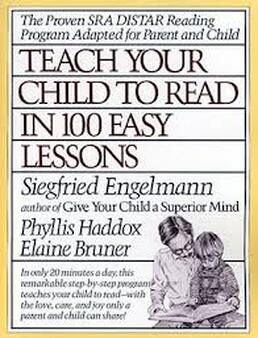
"Teach Your Child to Read in 100 Easy Lessons is a complete, step-by-step program that shows parents and teachers simply and clearly how to teach children to read. Twenty minutes a day is all you need, and within 100 teaching days your child will be reading on a solid second-grade reading level."
I We started using this book in 1997 when I taught my son to read when he was four years old. I used it for my next two children and MANY children throughout the years. I send all of my kids off to kindergarten reading at some level. Some children pick it up quicker than others but they all get a good foundation to build upon.
Our Kindergarten and Early Elementary Curriculum
Their goal is to teach advanced academics while connecting children to the good and the beautiful in life and in learning. Too many children are losing a love of learning and of wholesome, powerful literature.
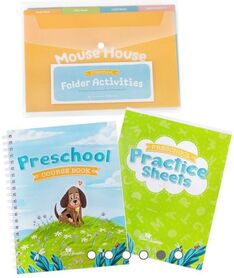
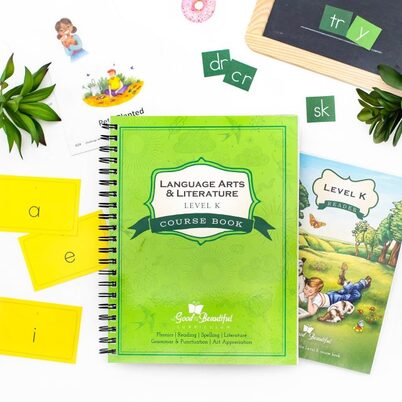
Our LANGUAGE ARTS CURRICULUM emphasizes family, God, high character, nature, and wholesome literature. Combines multiple subjects, which connects learning and eliminates the need for 6 to 7 different courses. Thorough phonics reading program creates excellent readers. Thorough and advanced courses leave no gaps. The goal of producing not only intelligent minds, but also high character and the ability to recognize and appreciate what is good and beautiful in life and in learning. They have recently updated the Preschool LA program and are working on updating the PreK LA program. We are thrilled to add those updates to our school for our 3 and 4 year old classes. Our Kinder class will start out with the PreK program if they have not done the Preschool program with us. We want to make sure each child has a firm foundation before moving forward.
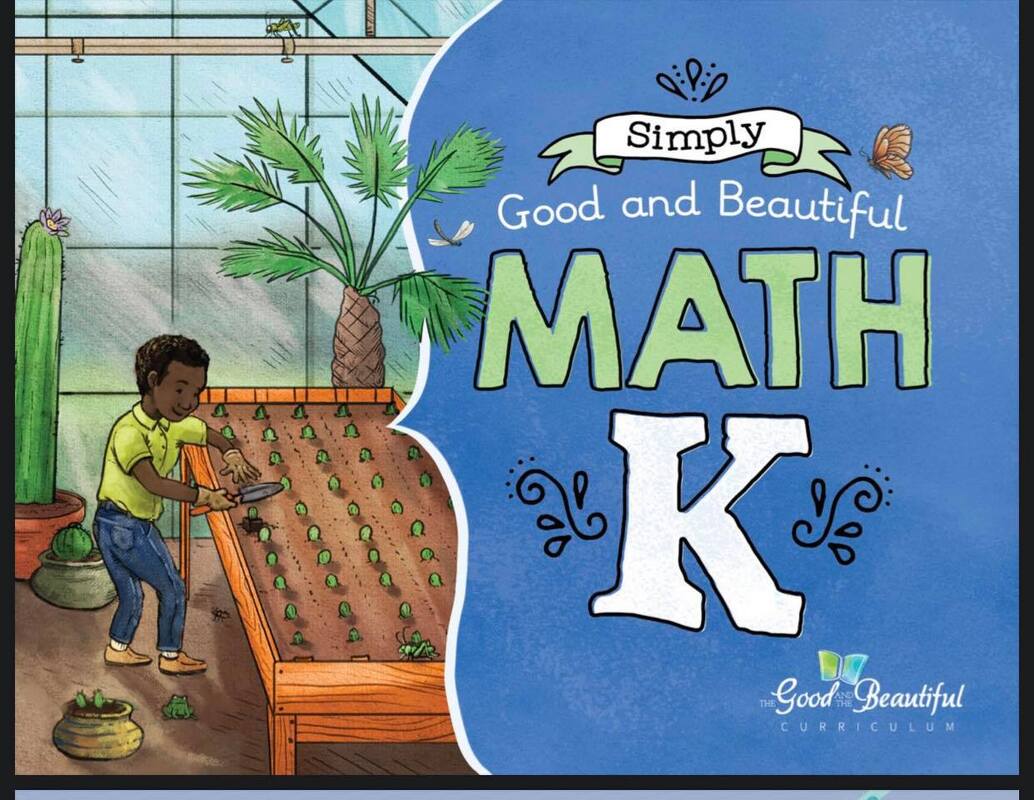
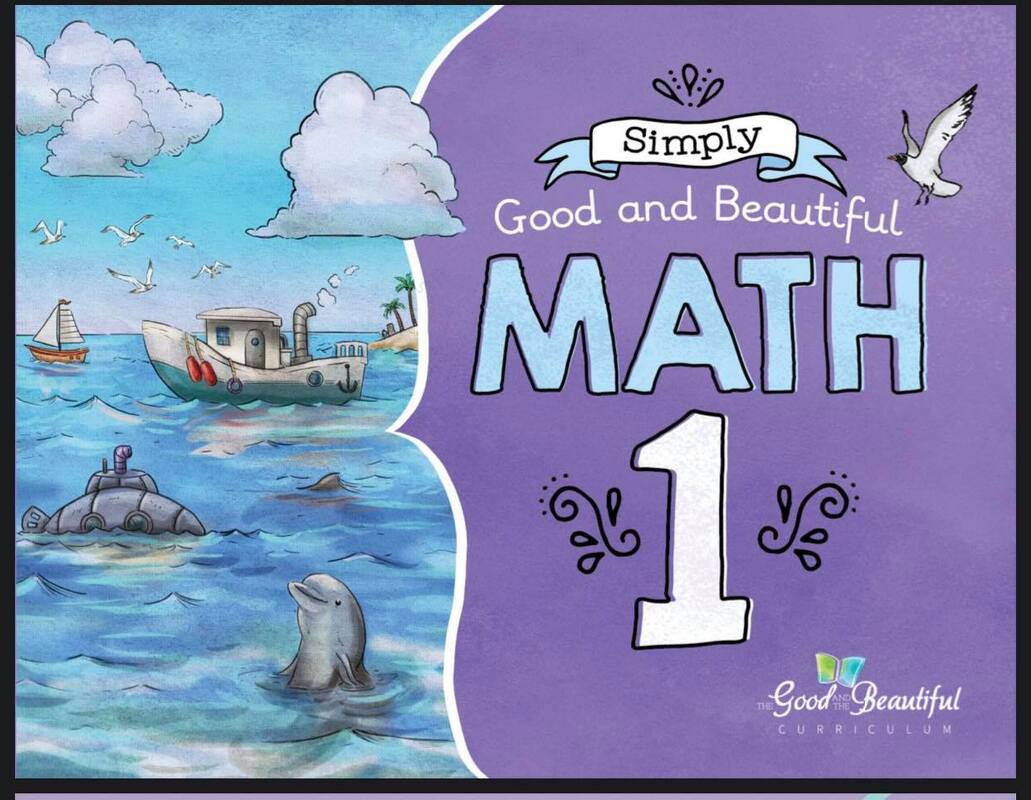
Our MATH CURRICULUM is carefully designed to avoid unneeded busy work and to make lessons shorter and easy to teach, all while being extremely thorough. Too many math programs are dry, lack meaningful connections, and are visually unappealing. We hope this beautiful curriculum will help children enjoy deep learning through faith-based content, beautiful images, appealing lessons, and connection to real life. Our math courses provide a balanced and traditional approach that incorporates all learning styles and emphasize the development of a strong number sense. Our students LOVE this new math and are wanting to do more than what is required daily.
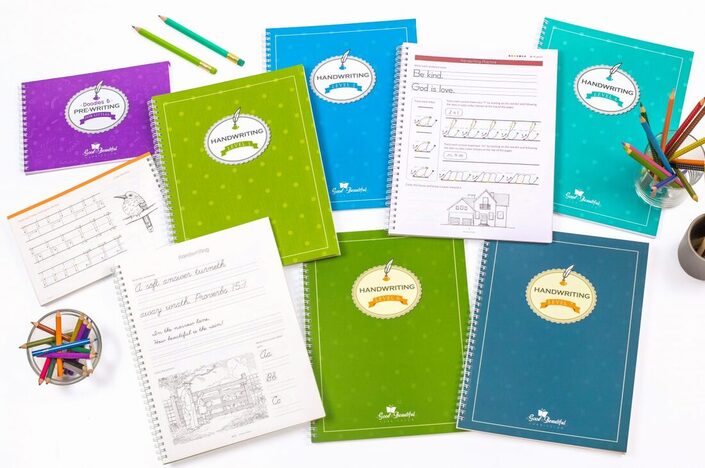
Our HANDWRITING CURRICULUM includes images, artwork, poetry, Bible verses, and quotes that support high character, faith, nature, and creativity. Integrates spelling and grammar practice.Includes drawing activities which make handwriting more enjoyable and less tedious. Contains 100 pages, which is 3–4 sheets per week for a typical school year.
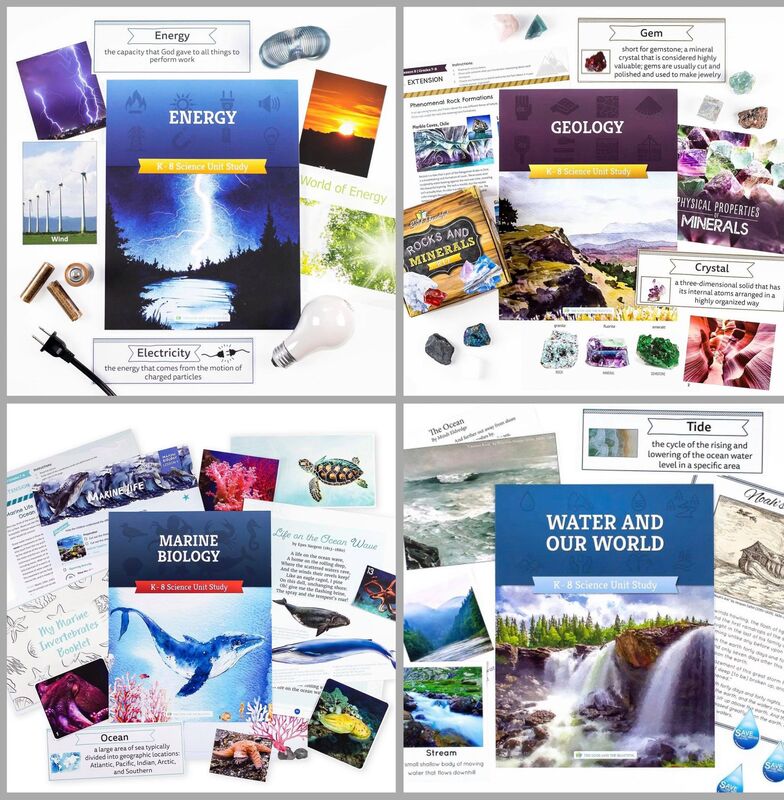
Our SCIENCE AND HEALTH CURRICULUM is engaging and visually appealing. For the 2021-2022 school year we will be doing Energy, Geology, Marine Biology and Water & Our World. We will add more if we complete these before the end of our school year. Once we have completed all of the courses offered, we will start over. They are creating new ones so it should take us 4 years to complete them all.

The Trail Guide to Learning series is "a complete curriculum that teaches every subject except for math, using an integrated approach to develop thinking skills." We will use this curriculum starting in 4th grade. They are extending the Journey Through the Ancient World with two more programs in that series for 6-8 grade. Then a high school program will be available, "which will center around Modern American History, Modern World History, and Government and Economics."
****Our 2021-2022 school year will offer First Grade. Our 2022-2023 school year will offer Second Grade. Our 2023-2024 school year will offer Third Grade. etc...